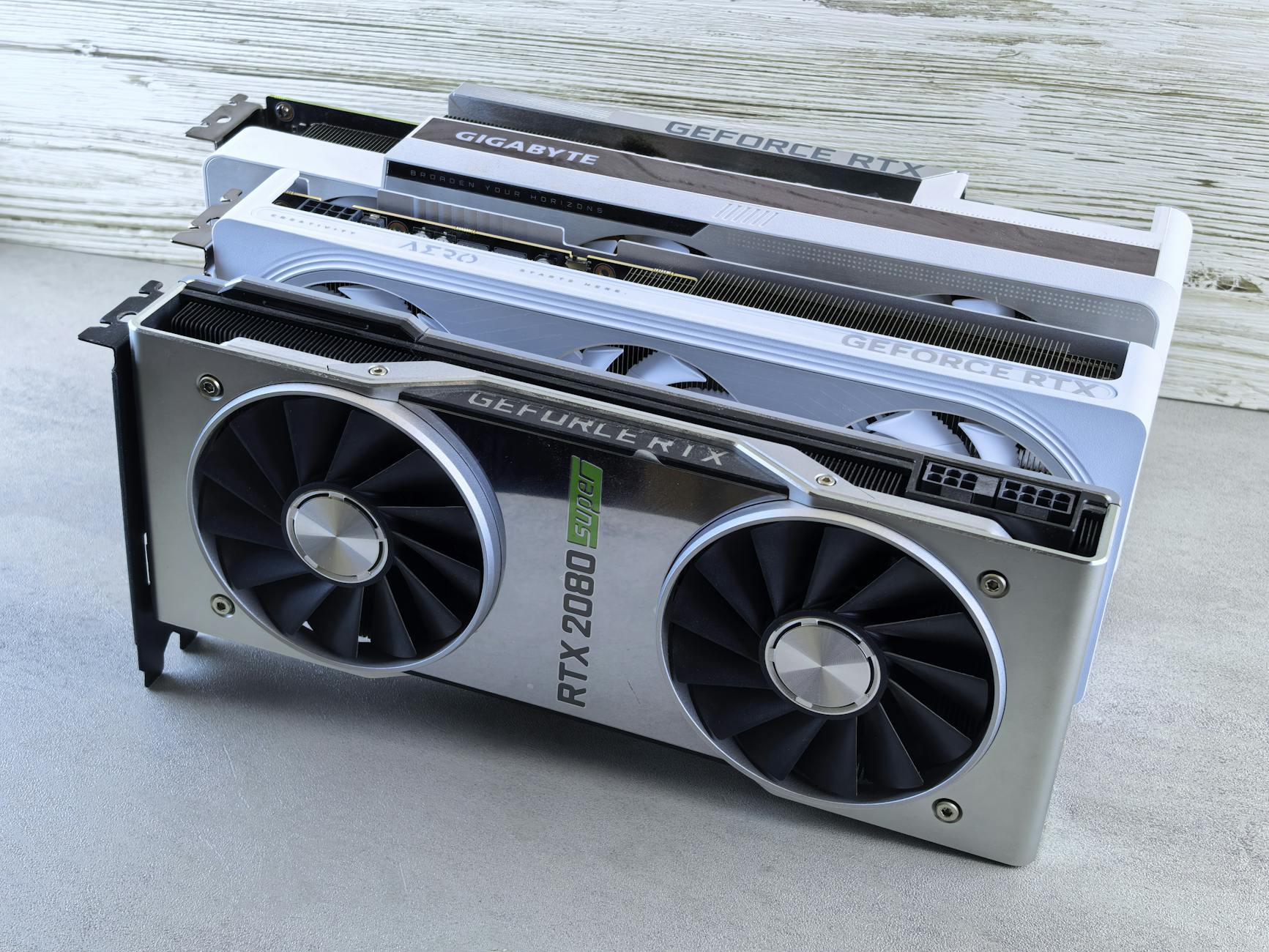

Nvidia’s RTX 50-series Delay and RTX 60-series Outlook
The highly anticipated RTX 50-series graphics cards, the next leap in Nvidia’s GPU lineup, are facing a significant delay. Industry reports suggest the launch has been pushed back by several months, while the future of the RTX 60-series remains shrouded in uncertainty for 2027. This development marks a pivotal moment for gamers, creators, and investors alike.
RTX 50-series: A Launch Postponed
Nvidia’s planned unveiling of the RTX 50-series, featuring next-generation Ada Lovelace architecture, has been delayed. This news came as a surprise after years of speculation and leaks surrounding these cards. The exact reasons cited typically revolve around supply chain complexities and the intense competitive pressure Nvidia faces from AMD. The global semiconductor shortage and logistics challenges have impacted production schedules for high-end components, forcing Nvidia to recalibrate its timeline. Additionally, the launch of the PlayStation 5 and Xbox Series X|S, which leverage AMD’s RDNA 2 architecture, intensified competition in the high-end gaming market, potentially influencing Nvidia’s release strategy.
The RTX 60-series: Uncertainty Looms
The more concerning development is the potential absence of the RTX 60-series in 2027. Traditionally, Nvidia follows a two-year cycle between major architecture refreshes (e.g., Ada Lovelace in 2022, Hopper in 2021, Ampere in 2020). This cycle suggests a new architecture (likely a significant iteration of Ada Lovelace or potentially a Hopper refresh) should debut around 2026. However, the RTX 60-series name specifically points towards a mid-range or performance segment refresh, distinct from the flagship RTX 50-series.
Why the RTX 60-series Delay or Absence?
- Resource Allocation: Nvidia might be focusing its primary development resources on the flagship RTX 50-series and ensuring its supply chain. A mid-range refresh might be deprioritized or delayed.
- Market Conditions: The current market for mid-range GPUs is highly competitive, with AMD’s RX 7000 series already established. Nvidia could be assessing whether the RTX 60-series offers sufficient differentiation to justify its development and launch.
- Software Focus: Nvidia’s substantial investment in AI and DLSS 3.0 features might be consuming development cycles that would otherwise go towards hardware refreshes for the mid-tier.
Implications for Gamers and Creators
- Gamers: Gamers looking for significant performance jumps beyond the RTX 4090/RX 7900 XTX will need to wait longer than anticipated. The RTX 50-series promised substantial gains, particularly in ray tracing and DLSS 3.0. The lack of a clear RTX 60-series replacement in 2027 means mid-range gamers might see slower refresh cycles or rely more on older generation cards for some time.
- Creators (AI/VR): Professionals relying on GPU power for AI inference, real-time rendering, or VR development could face a longer wait for the next generation of hardware specifically optimized for their workloads. The RTX 50-series was expected to offer significant AI capabilities.
Looking Ahead
Nvidia’s delay of the RTX 50-series underscores the ongoing challenges of modern semiconductor manufacturing and fierce competition. The potential absence of an RTX 60-series in 2027 signals a possible shift in Nvidia’s strategy, possibly towards fewer, more substantial hardware refreshes or a stronger focus on software and ecosystem integration. Gamers and creators should brace for a longer wait for the next major leap in GPU performance. The RTX 50-series remains the primary focus, while the RTX 60-series outlook remains highly uncertain, leaving the market in a state of anticipation and speculation.

Comments are closed.